Buttery Croissant Recipes At Home
Highlighted under: Cakes, Cookies & More
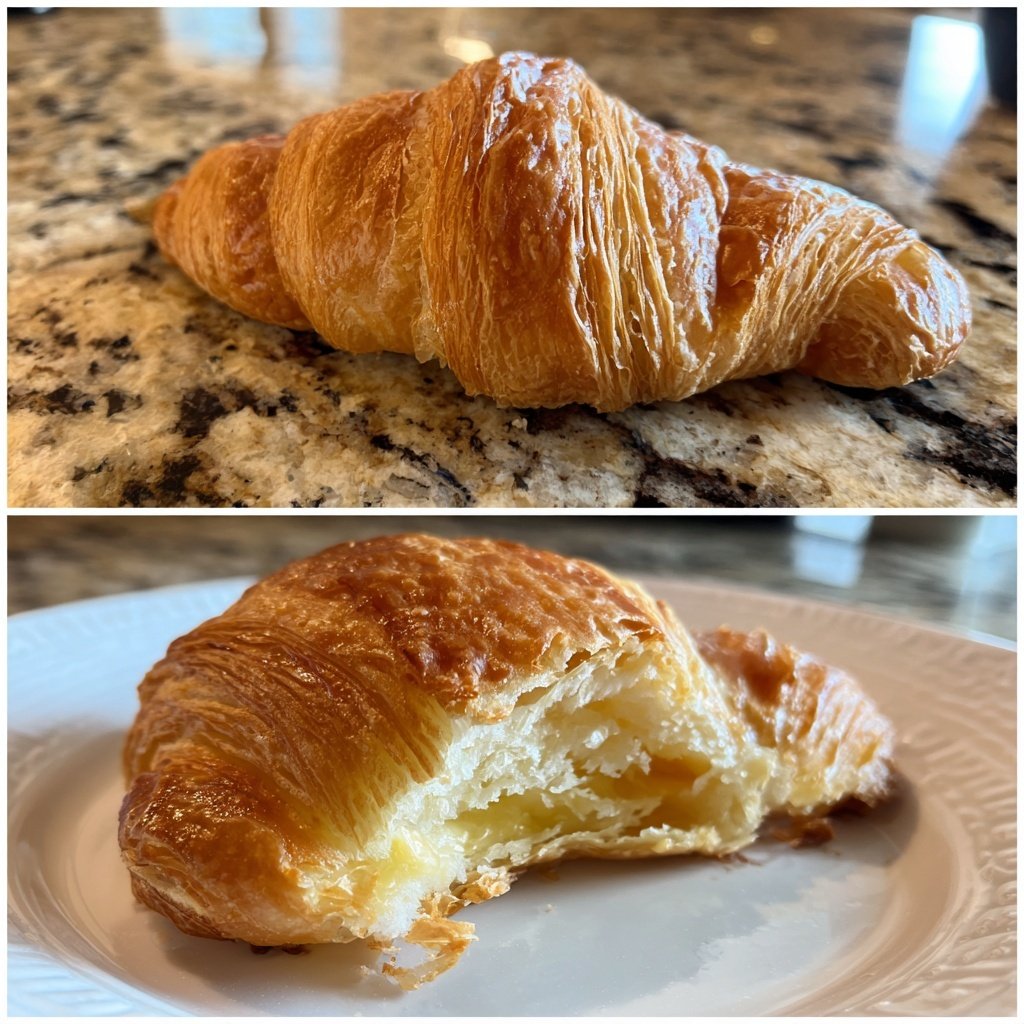
I have always been captivated by the flakiness and buttery goodness of a fresh croissant. Making them at home used to seem daunting, but after numerous attempts, I've discovered a method that yields perfect results every time. The process is surprisingly rewarding, allowing me to enjoy warm, golden-brown croissants right out of the oven. This recipe combines a few simple ingredients and a bit of patience to create an exquisite pastry that's genuinely worth the effort. Trust me, once you try these, you'll be hooked!
I embarked on the journey to make croissants after being inspired by a local bakery. One rainy afternoon, while experimenting in the kitchen, I decided to adapt a traditional French recipe. The secret to my success lies in allowing the dough to rest adequately. This helps develop the flavor and ensures that the layers puff beautifully during baking.
Throughout my trials, I found that using high-quality butter is essential. It not only enriches the dough but also enhances the flaky texture. Each croissant that emerges from the oven is a testament to the love and patience that goes into the process, making every bite a delightful surprise.

Why You'll Love This Recipe
- Flaky, buttery layers that melt in your mouth
- Perfectly golden-brown, making them irresistible
- A rewarding cooking experience that impresses family and friends
The Importance of Proper Kneading
Kneading is a crucial step in developing gluten in your croissant dough, which contributes to the flakiness and structure of the pastries. When mixing the ingredients, aim for a smooth, elastic dough that springs back when pressed. This usually takes about 8-10 minutes of kneading by hand or 5-7 minutes with a stand mixer. Be careful not to over-knead, as this can make the dough too tough, resulting in dense croissants instead of those desired light layers.
A well-kneaded dough has a glossy appearance and a slightly sticky texture. If your mixture seems too dry, a teaspoon of warm milk can help bring it together. Conversely, if it’s too wet, a little flour can be added gradually. Remember, the dough needs to rise in a warm space; if your kitchen is cold, consider placing the bowl in a slightly heated oven (turned off) to encourage fermentation.
Perfecting the Lamination Technique
Laminating your croissant dough involves folding and rolling it out multiple times, incorporating layers of butter that create the signature flaky texture. It's essential to keep the butter cold throughout the lamination process to prevent it from melting into the dough. If at any point your butter feels soft, simply refrigerate the dough for 15-20 minutes to firm it up before proceeding. This will ensure clean layers when baked.
When rolling out the dough, aim for an even thickness. Excess flour can lead to a dry texture, so dust sparingly. After folding, your dough should look like a book – this helps in achieving those distinct layers. Don’t rush the resting periods; letting the dough chill is critical for maintaining its elasticity and allowing the gluten to relax, which makes shaping much easier.
Serving and Storing Your Croissants
Freshly baked croissants are best enjoyed warm, straight from the oven. To elevate their flavor, serve with a dollop of high-quality butter and a light sprinkle of flaky sea salt. Croissants pair beautifully with a variety of accompaniments, from sweet jams to rich chocolate spreads. They also shine as a base for breakfast sandwiches filled with your choice of cheeses, eggs, and proteins.
If you're looking to make ahead, croissants can be frozen both before and after baking. After shaping, place them on a baking sheet and freeze until firm, then transfer to a freezer bag for up to a month. To bake from frozen, simply increase the initial rise time by about 30 minutes, then proceed with the egg wash and baking. This way, you can enjoy homemade croissants with minimal effort any day of the week!
Ingredients
Gather these ingredients before you start making your croissants.
Croissant Dough
- 500g all-purpose flour
- 12g salt
- 40g sugar
- 10g instant yeast
- 300ml milk, warm
- 250g unsalted butter, cold and divided
- 1 egg, for egg wash
Make sure you measure your ingredients accurately for the best results.
Instructions
Follow these steps closely to create your buttery croissants.
Make the Dough
In a bowl, mix the flour, salt, sugar, and yeast. Gradually add warm milk and knead until smooth. Cover and let the dough rise for 2 hours.
Prepare the Butter
While the dough is rising, take 200g of cold butter and place it between two sheets of parchment. Beat the butter with a rolling pin until it's flat and about 1/2 inch thick. Refrigerate until firm.
Laminate the Dough
Roll out the dough into a rectangle, place the flattened butter in the center, and fold the sides of the dough over the butter like a letter. Roll out again into a long rectangle and fold into thirds. Repeat this process two more times, refrigerating for 30 minutes between folds.
Shape the Croissants
Roll out the dough one last time and cut it into triangles. Starting from the base, roll each triangle up towards the tip to form croissants. Place them on a baking sheet lined with parchment.
Final Rise and Bake
Let the shaped croissants rise for 1 hour. Preheat the oven to 200°C (400°F). Brush the croissants with the beaten egg and bake for 20-25 minutes or until golden brown.
Enjoy your homemade buttery croissants with a cup of coffee or tea!
Pro Tips
- Make sure to use cold ingredients and keep the dough refrigerated whenever you pause to maintain the butter's firmness, essential for creating flaky layers.
Troubleshooting Common Issues
One common issue when making croissants is excessive butter leakage during baking, leading to flattening of the pastries. To avoid this, ensure your butter is properly chilled and that the dough has rested adequately after each lamination fold. If the dough is too warm while handling, it can warm the butter, making it unusable for the layering process. Keeping your working area cool and using chilled tools can help prevent this.
If your croissants turn out dense rather than flaky, it may be a result of insufficient rise time. Pay attention to the dough's visual cues: it should roughly double in size during the first rise. If they don't rise enough, check the temperature of your environment. Yeast is most active around 75-80°F, so if your kitchen is cool, consider placing the dough in a warmed oven.
Ingredient Substitutions
Although the classic croissant recipe uses all-purpose flour, you can experiment with bread flour for a chewier texture, given its higher protein content. If you're looking for a dairy-free option, replace the butter with a solid coconut oil, but be aware that this will slightly change the flavor profile. Additionally, almond milk or another plant-based milk can be substituted for dairy milk, but ensure it's warmed to mimic the yeast activation process.
For a more indulgent flavor, you might try using European-style butter, known for its higher fat content. This enhances the richness and contributes to a more pronounced buttery taste in the final product. When incorporating any substitutions, keep in mind that ingredient quality significantly impacts the outcome, so opt for the best options available to you.
Scaling the Recipe
If you're looking to make a larger batch of croissants for a gathering, this recipe can easily be doubled. Just ensure you have a sufficient mixing bowl and work area, as the volume of dough can expand considerably. Scaling down is equally straightforward; simply halve the ingredient quantities while maintaining the same method. However, be cautious with rising times, as smaller volumes may need less time to achieve the desired puffy texture.
When adjusting quantities, it's also a good idea to monitor your oven space. Adjust the baking times as needed, as batches may bake differently based on the number of croissants on the sheet. With this flexibility, you can cater to any occasion, impressing guests with your homemade, flaky croissants!
Questions About Recipes
→ Can I use whole wheat flour instead of all-purpose flour?
Yes, but the texture may differ. Whole wheat flour will yield denser croissants.
→ How can I store leftover croissants?
Store them in an airtight container at room temperature for up to 2 days or freeze for longer storage.
→ What can I fill my croissants with?
Try filling them with chocolate, almond paste, or ham and cheese for delicious variations.
→ Why aren't my croissants flaky?
Insufficient lamination or overly warm dough can prevent the layers from forming. Ensure proper technique in the folding and rolling steps.
Buttery Croissant Recipes At Home
Created by: Lucy Bennett
Recipe Type: Cakes, Cookies & More
Skill Level: Intermediate
Final Quantity: 12 croissants
What You'll Need
Croissant Dough
- 500g all-purpose flour
- 12g salt
- 40g sugar
- 10g instant yeast
- 300ml milk, warm
- 250g unsalted butter, cold and divided
- 1 egg, for egg wash
How-To Steps
In a bowl, mix the flour, salt, sugar, and yeast. Gradually add warm milk and knead until smooth. Cover and let the dough rise for 2 hours.
While the dough is rising, take 200g of cold butter and place it between two sheets of parchment. Beat the butter with a rolling pin until it's flat and about 1/2 inch thick. Refrigerate until firm.
Roll out the dough into a rectangle, place the flattened butter in the center, and fold the sides of the dough over the butter like a letter. Roll out again into a long rectangle and fold into thirds. Repeat this process two more times, refrigerating for 30 minutes between folds.
Roll out the dough one last time and cut it into triangles. Starting from the base, roll each triangle up towards the tip to form croissants. Place them on a baking sheet lined with parchment.
Let the shaped croissants rise for 1 hour. Preheat the oven to 200°C (400°F). Brush the croissants with the beaten egg and bake for 20-25 minutes or until golden brown.
Extra Tips
- Make sure to use cold ingredients and keep the dough refrigerated whenever you pause to maintain the butter's firmness, essential for creating flaky layers.
Nutritional Breakdown (Per Serving)
- Calories: 250 kcal
- Total Fat: 15g
- Saturated Fat: 9g
- Cholesterol: 35mg
- Sodium: 180mg
- Total Carbohydrates: 26g
- Dietary Fiber: 1g
- Sugars: 2g
- Protein: 4g